
Retailers aim to use AI to drive smarter decisions, yet scattered and messy data makes real-time execution difficult. Our data platform unifies and cleans your data, providing the foundation AI needs to truly go live and create measurable impact.
Common Challenges & Barriers
Store sales data is scattered, reports are slow and inaccurate.
Data discrepancies between systems frequently cause interdepartmental disagreements.
How can AI rely on the right data to make smart choices and scale up?
Delayed inventory and sales data can lead to stockouts or overstock.
Data Middle Office
Integrate and standardize all data sources, significantly reducing overall costs.
Decouple data for multi-system use.
Establish clean datasets that can expand elastically with business growth.
Use data governance to power applications and lower decision risks.
By consolidating data from ERP, CRM, eCommerce, marketing, and inventory systems, we create a clean, standardized, and unified data layer—ensuring AI models are trained and powered by reliable, real-time data.
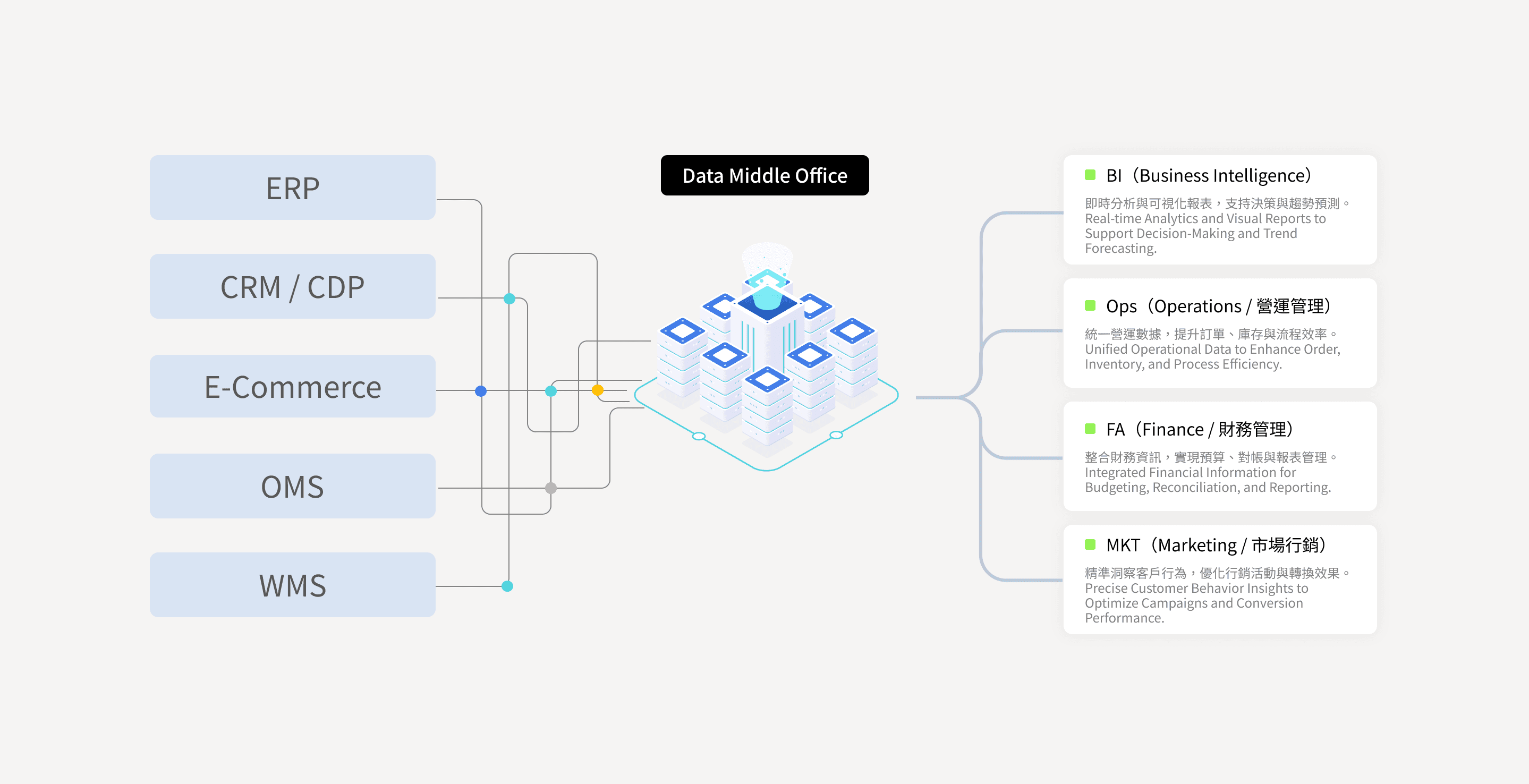
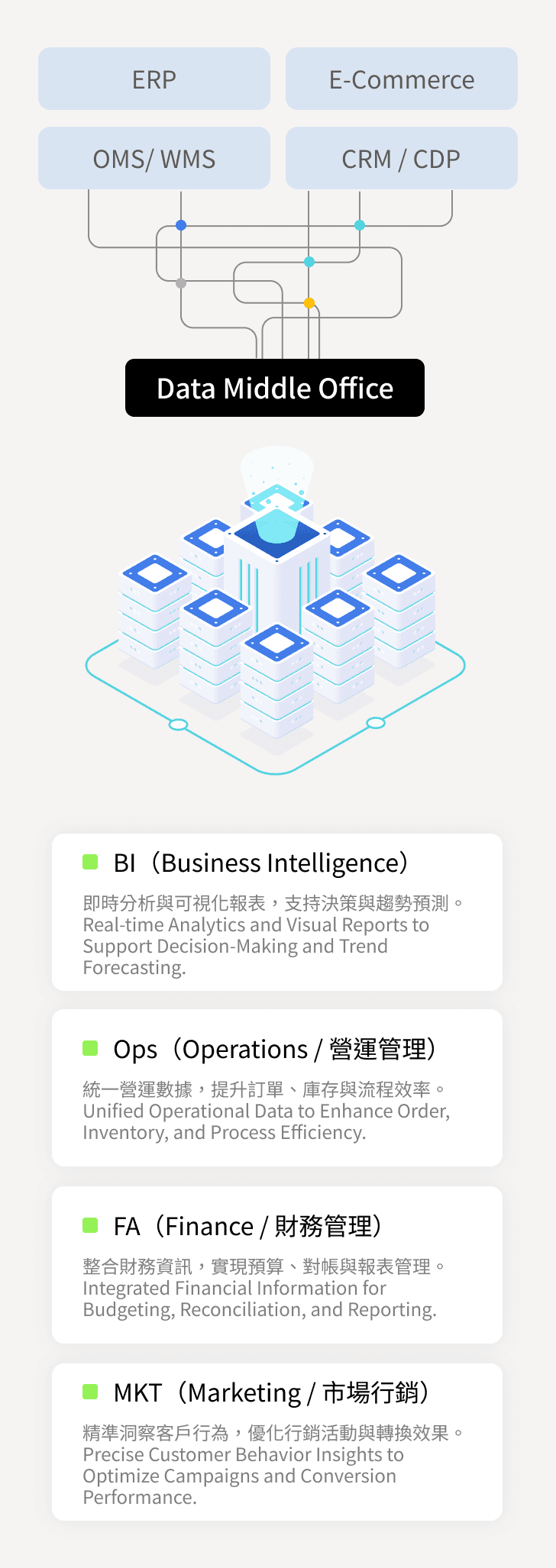
Data Middle Office : Turning Retail AI from Concept to Practical Application
Without unified data, AI outputs remain scattered. Leveraging a data hub ensures trustworthy data, allowing AI to deliver actionable, verifiable insights.
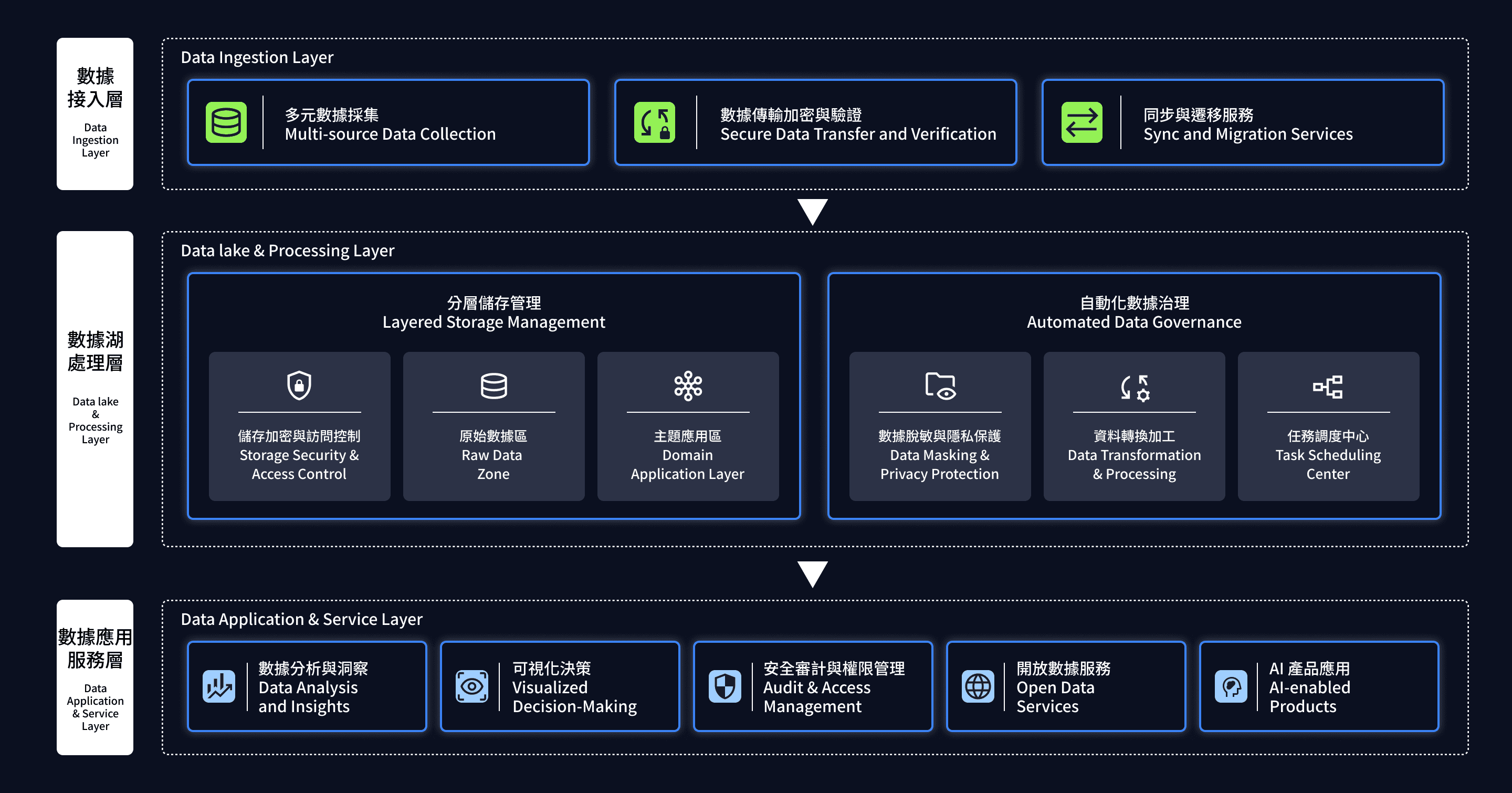
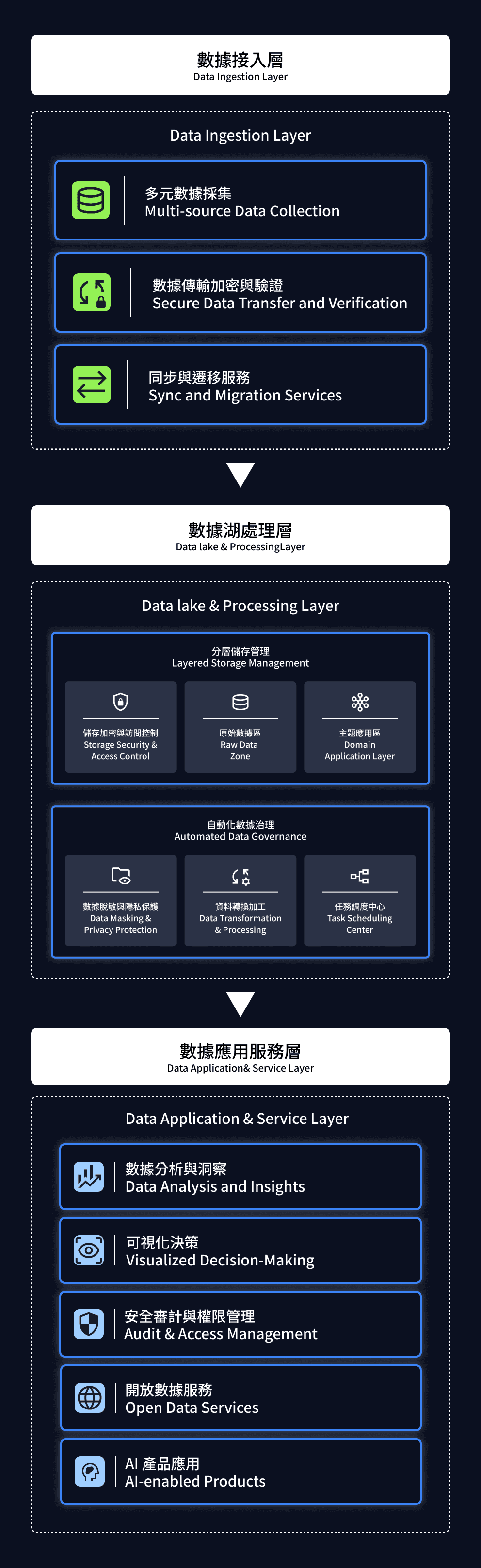
Most companies already have a data architecture but lack a management layer to ensure cross-system consistency. By integrating dispersed enterprise data and building reusable data capabilities, data can shift from being merely stored to actively driving business growth.
01

Set Up Basic Data Governance
Unified data definitions and consistent calculation rules minimize temporary fixes across systems, ensuring data can be maintained sustainably and scaled effectively.
02

Data Governance & Security
Create a secure and auditable data base with defined responsibilities and permissions, minimizing data exposure, replication, and unnecessary access.
03

Lower Costs of System Integration and Operations
No need to redefine data—reduces one-off integration and long-term maintenance expenses.
04

Flexible Costs and Optimization
By establishing analysis, reports, and applications on unified data, organizations prevent redundant work and enable scalable AI use.
How can we enable data sharing across multiple brands and departments?
Multi-brand, multi-store retailers often face misinterpretation or misuse of data due to inconsistencies or unclear access levels. Using a directed acyclic architecture, we ensure data source consistency and security.
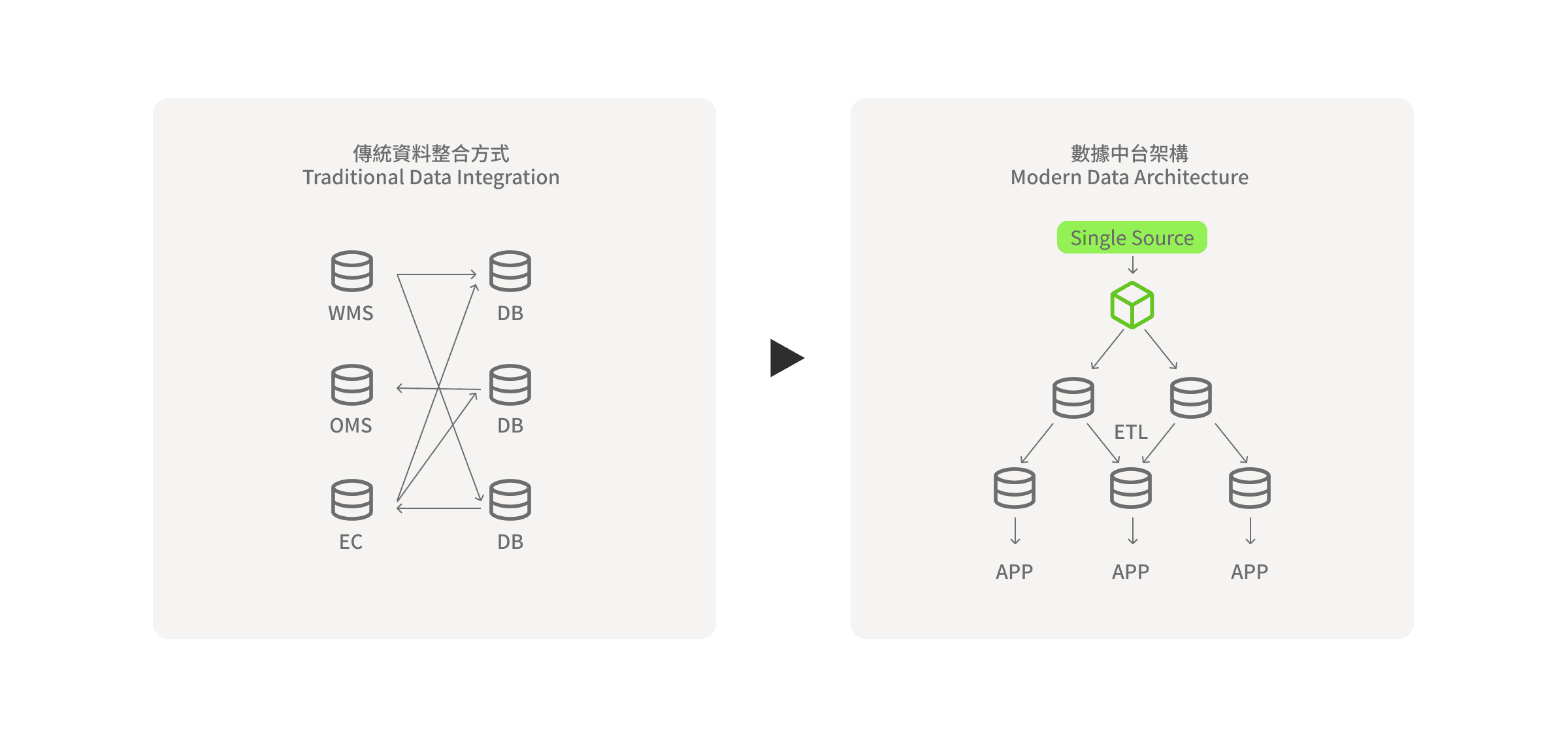
The data platform is not designed for a single role; it enables multiple roles to collaborate on a unified data foundation and generate greater value.



Leveraging our accumulated brand data management experience, we help enterprises implement data workflows step by step.